This month: why déjà vu makes a new experience feel strangely familiar, how Amazon Lightning Deals pressure you to buy, a brain challenge that is harder than it looks, and what makes the teenage brain unique.
Why Do We Experience Déjà Vu?
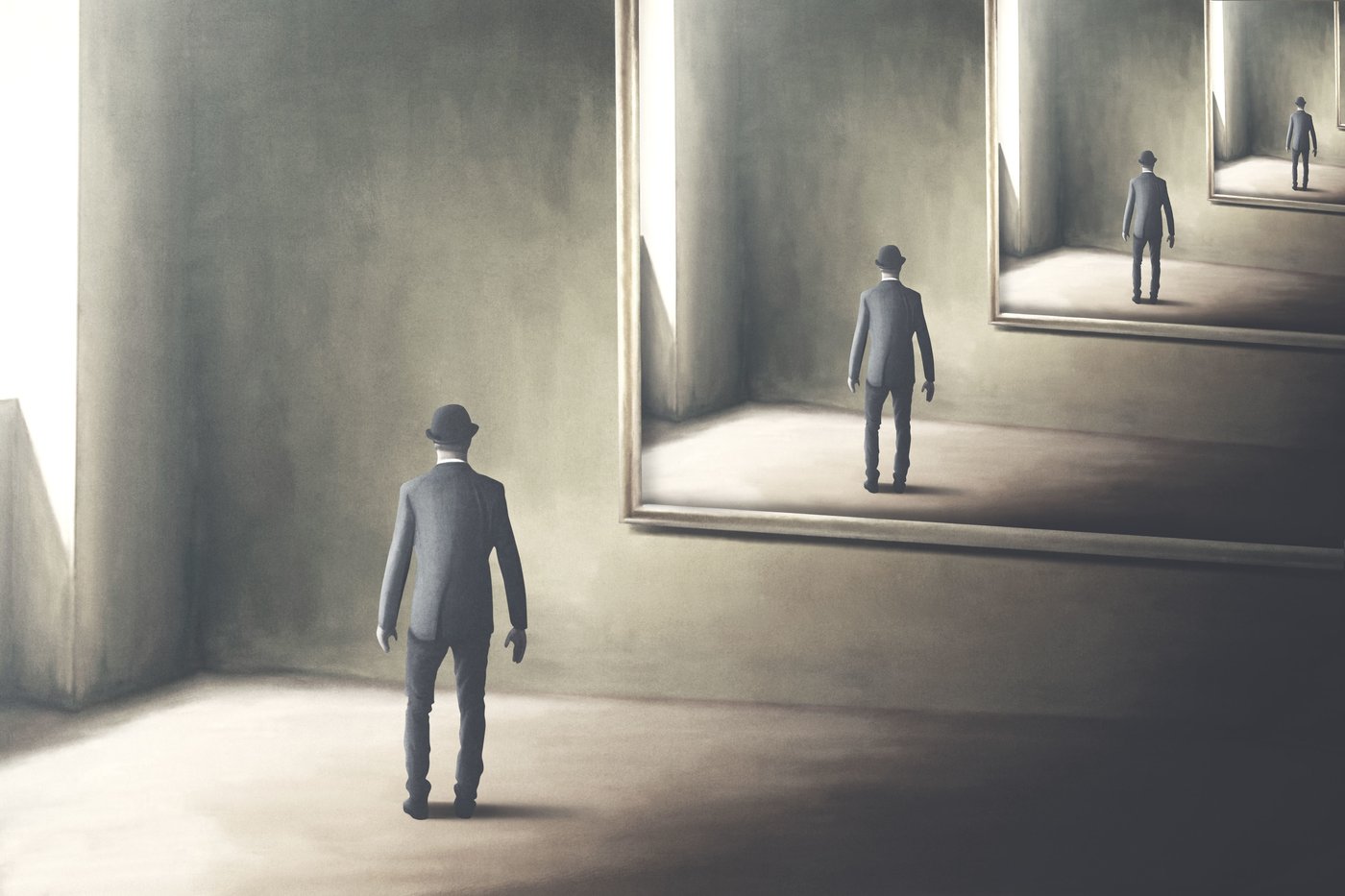
You walk into a room you've never visited before — but suddenly feel certain you've been there.
That strange sensation is called déjà vu, which means "already seen." Scientists do not know exactly what causes it, but several explanations have been proposed:
- 👁️ Split Perception: You briefly glance at a scene while distracted. When you look again with your full attention, it may feel familiar because your brain has already started processing it.
- 🔁 Overlapping Similarities: A new place may share a layout, smell, or sound with somewhere you have been before. Your brain recognizes the similarity even if you cannot remember the original experience.
- 🌫️ Familiarity Without Recall: Something from a forgotten experience — such as a place, movie, or book — may feel familiar even though you cannot remember where you encountered it.
Why Are Amazon "Lightning Deals" So Hard to Resist?
You open Amazon to buy a simple cable — and spot a red warning: "78% claimed • 12 minutes remaining!" Suddenly, a desk organizer you never wanted feels impossible to ignore.
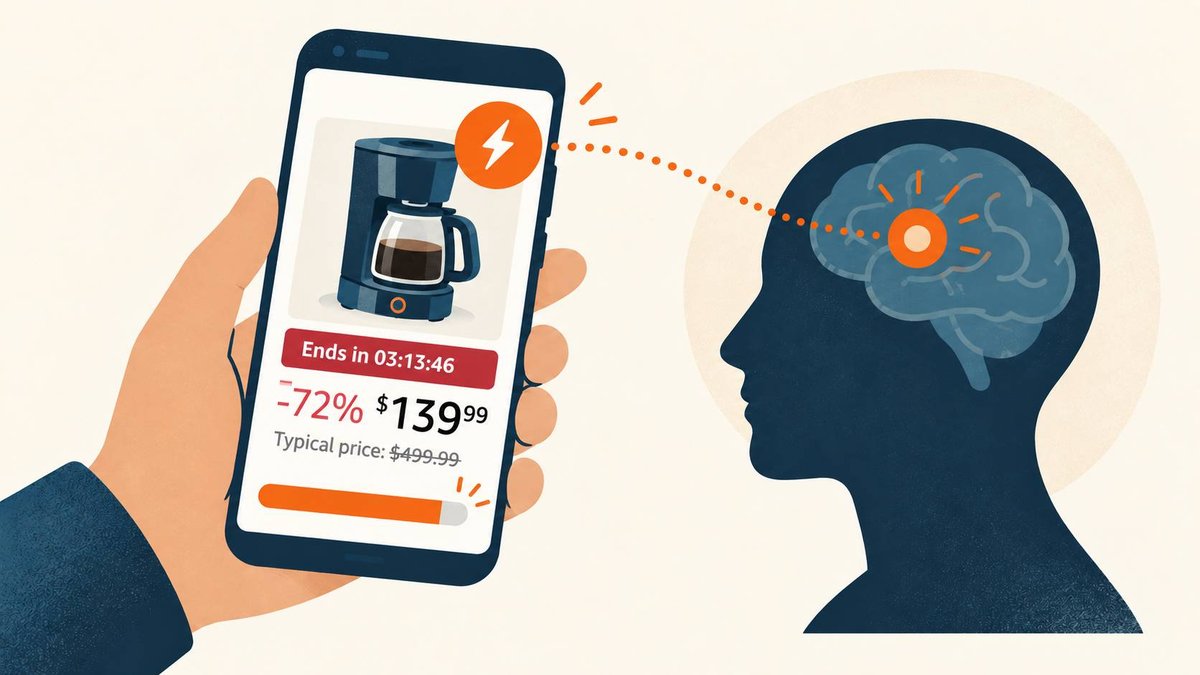
Lightning Deals aren't just discounts. They are psychological traps designed to override your rational brain using three quick tricks:
- ⚠️ Scarcity & Loss Aversion: That visual "% claimed" bar triggers intense fear of missing out. Losing a temporary bargain feels twice as painful as saving money feels good.
- 🏷️ Price Anchoring: Seeing a high original price crossed out shifts your focus. You stop asking "Do I need this?" and start thinking "Look at how much I'm saving!"
- ⏱️ Forced Urgency: A ticking countdown clock forces quick, emotional decisions before you have time to check reviews or search for alternatives.
Can You Outsmart the Stroop Effect?
Ready for a quick brain challenge? Look at the image below and say the color of the letters — not the word itself. For example, if the word PURPLE is printed in green, your answer should be "green." Try to name every color as quickly as possible without making a mistake.
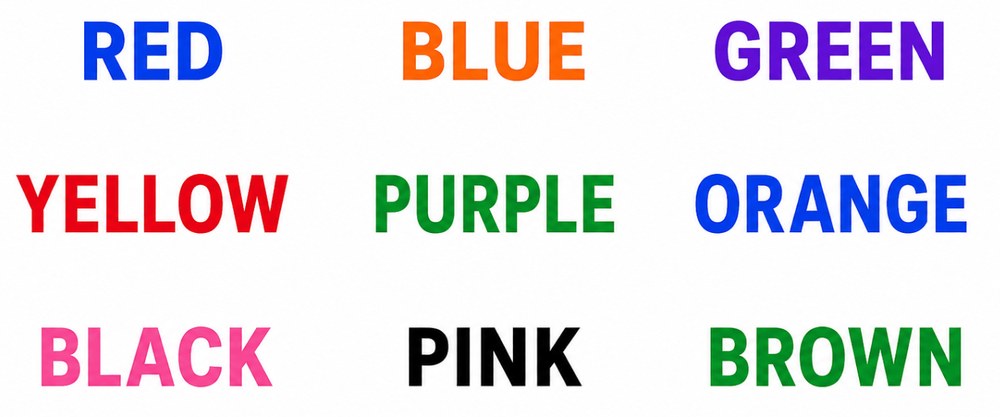
Was it harder than you expected? This challenge demonstrates the Stroop effect. Reading is so automatic that your brain processes the meaning of each word — even when you are trying to ignore it. When the word and its color do not match, they compete for your attention and slow down your response.
Why Does the Teenage Brain Take More Risks?
Why do teenagers sometimes make impulsive decisions — even when they understand the possible consequences? In this month's featured video, we explore:
- 🧠 How the teenage brain differs from the adult brain
- ⚡ Why teenagers may act more impulsively
- 👥 How friends can influence risky decisions
- 🌱 Why the teenage years are also a period of tremendous learning and growth
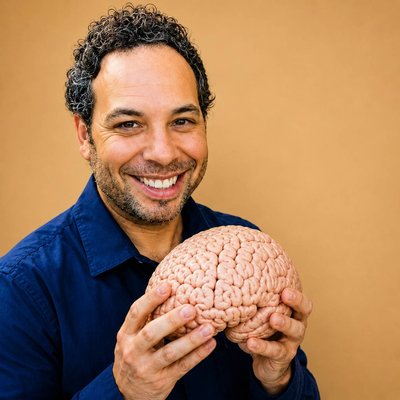
Dr. Steven Kushner
Educator and creator of Psych Explained, where psychology becomes engaging, understandable, and useful. Join a community of over 130,000 psychology learners exploring the science behind how we think, feel, and behave.