
This month: why your brain becomes a professional overthinker the second your head hits the pillow, how Costco gets you with tiny pieces of cheese, a psychology experiment you can try on yourself tonight, and what Freud thought was fighting inside your head every time you make a decision.
Why Do We Overthink at Night?
You're exhausted, but the second your head hits the pillow, your brain replays an awkward conversation from 2018. Why does your brain suddenly have so much to say when everything gets quiet?
During the day, work, conversations, and notifications keep your attention busy. At night, those distractions fade, giving your brain more room for internally focused thought. This involves the Default Mode Network (DMN) — a set of interconnected brain regions involved in self-reflection, memory, and imagining the future. Sometimes that mental wandering turns into rumination, making small worries feel much bigger at 2am.
3 Ways to Reset Your Mind Tonight
- 📝 The Brain Dump: Spend 3 minutes writing down every open loop or worry before bed, to trick your brain into knowing the information is saved.
- 🔀 Cognitive Shuffling: Picture random, neutral words — apple, blanket, cathedral — to interrupt analytical loops and mimic early dream states.
- 🛋️ The 20-Minute Rule: Still awake after 20 minutes? Get out of bed. Keep the lights dim and read until drowsy, so your brain stops linking your mattress with anxiety.
Why Are Costco Samples So Effective?
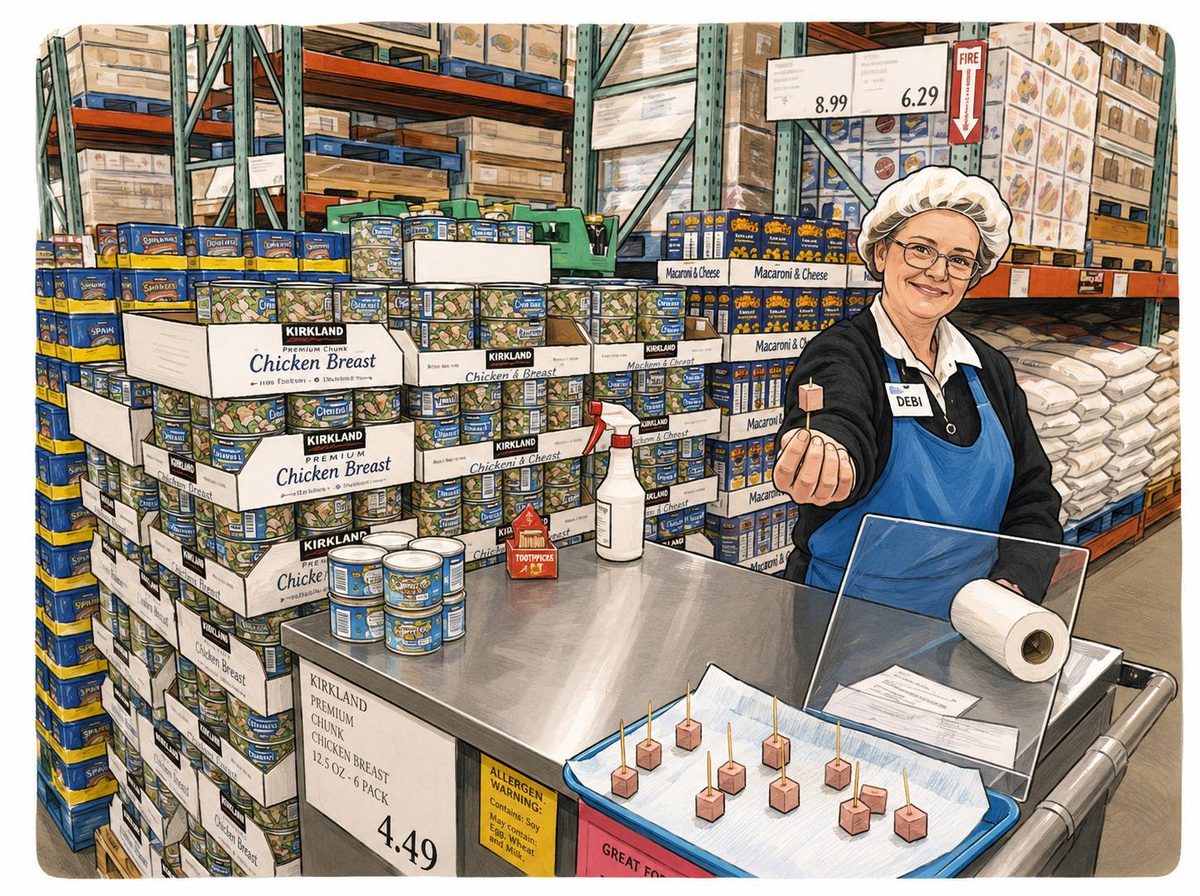
Walked into Costco for paper towels and somehow left with $200 of groceries? You can partly blame the norm of reciprocity.
When someone gives us something for free — even a tiny bite of cheese on a toothpick — we may feel a subtle pressure to return the favor. At Costco, one easy way to reciprocate is to toss the product into your cart.
Free samples can also reduce uncertainty and tap into the mere-exposure effect. Once you've tried something, it feels more familiar — and familiar products can feel safer and easier to choose than something completely unknown.
Can Your Brain Taste Color?
Grab two identical drinks and pour them into different-colored cups. Before tasting, predict which one will taste sweeter.
Research on sensory interaction shows that what we see can influence what we expect to taste — and sometimes what we actually perceive.
Try it: have someone else prepare the cups so you don't know which is which. Does color change your judgment?
Freud's Theory of Personality Development
Ever feel like there's an internal war happening in your head when making a decision? That's Freud's personality theory in action. In this month's featured video, we break down:
- 🔥 The Id: your drive for immediate gratification.
- ⚖️ The Superego: your internal moral compass.
- 🧭 The Ego: the mediator balancing both with reality.
The Id, Ego, and Superego — Explained
16-minute breakdown of how all three compete in everyday decisions.
Want to follow along? Grab the guided notes for this video:
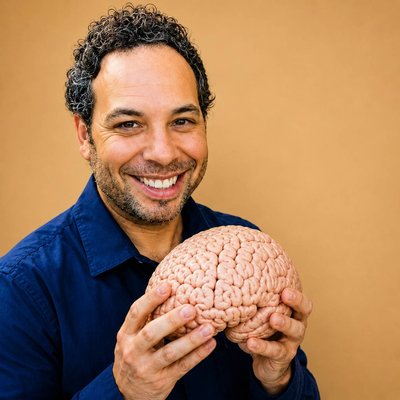
Dr. Steven Kushner
Educator and creator of Psych Explained, where psychology becomes engaging, understandable, and useful. Join a community of over 130,000 psychology learners exploring the science behind how we think, feel, and behave.